Article / Supplier Relationships
How Corporates Can Strengthen Supplier Relationships Through Early Payment Programs
Updated on April 10, 2026
4 min read
On This page
For many large organizations, supplier relationships are managed through procurement frameworks.
Contracts define delivery timelines, pricing agreements, and payment terms.
But increasingly, Leading corporates are recognizing a deeper factor:
Supplier financial health health plays a critical role in supply chain stability.
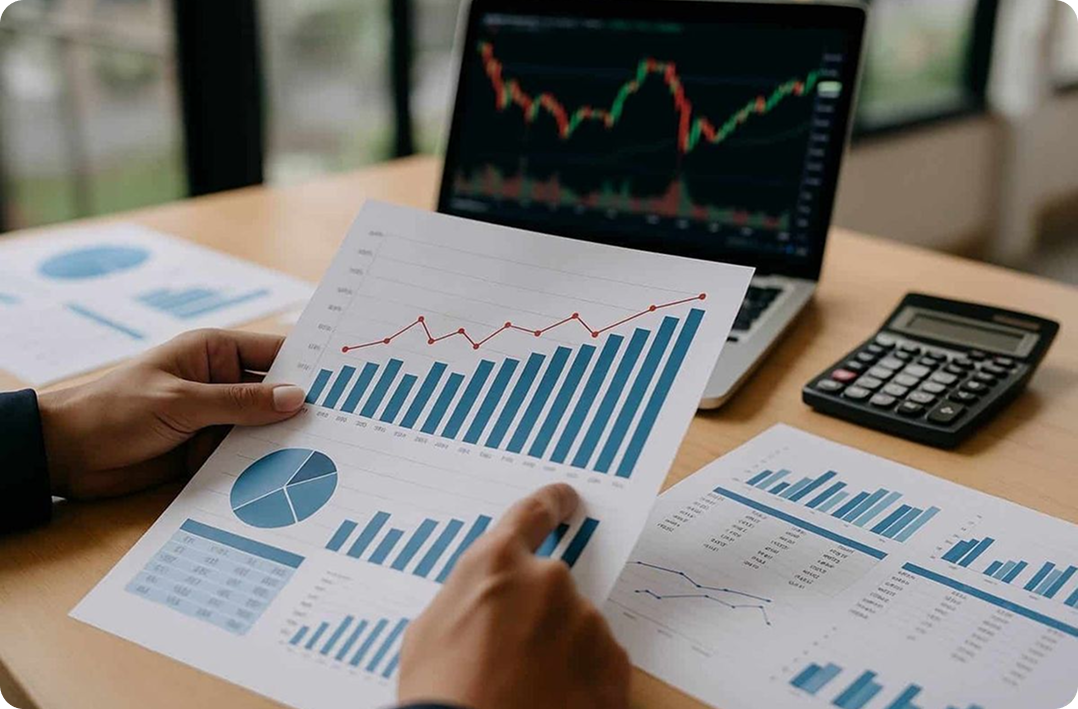
The Hidden Pressure on Suppliers
Suppliers—especially SMEs—often operate with narrow working capital margins. When payment cycles extend over several months, liquidity pressure can affect:
- production capacity
- staffing decisions
- inventory management
Why It Matters for Buyers
Supplier financial strain eventually impacts buyers.
Common outcomes include:
- delayed deliveries
- increased pricing
- educed investment in quality and operational improvement.
What begins as a financial issue becomes a supply chain risk.
The Role of Early Payment Programs
To address these challenges, many corporates are launching early payment programs through supply chain finance platforms.
These programs allow suppliers to request early payment for approved invoices while maintaining the buyer’s original payment terms.
The structure is simple:
- Supplier delivers goods and issues an invoice
- Buyer approves the invoice
- Financial institution pays the supplier early
- Buyer pays at the original due date

Benefits Across the Ecosystem
For Suppliers
Faster access to liquidity and improved operational stability
For Buyers
Stronger relationships and reduced supply chain risk
For Financial Institutions
Access to structured financing opportunities tied to real commercial transactions.

From Treasury to Strategy
Over time, early payment programs can significantly improve supplier engagement and ecosystem resilience.
Rather than viewing working capital as an isolated treasury function, Corporates are increasingly using it as a strategic tool to:
- strengthen supplier ecosystems
- improve resilience
- support long-term growth
Conclusion
In regions where SMEs form the backbone of the economy, improving supplier liquidity is not just a financial decision.
It is an investment in the long-term stability of the entire supply chain.